- Applications
- Cyberfraud Defense
- Compromised Accounts
Remediate Compromised Accounts
Stop bad actors from committing fraud and abuse in customer accounts—whether the account was compromised by bots, humans, or AI.
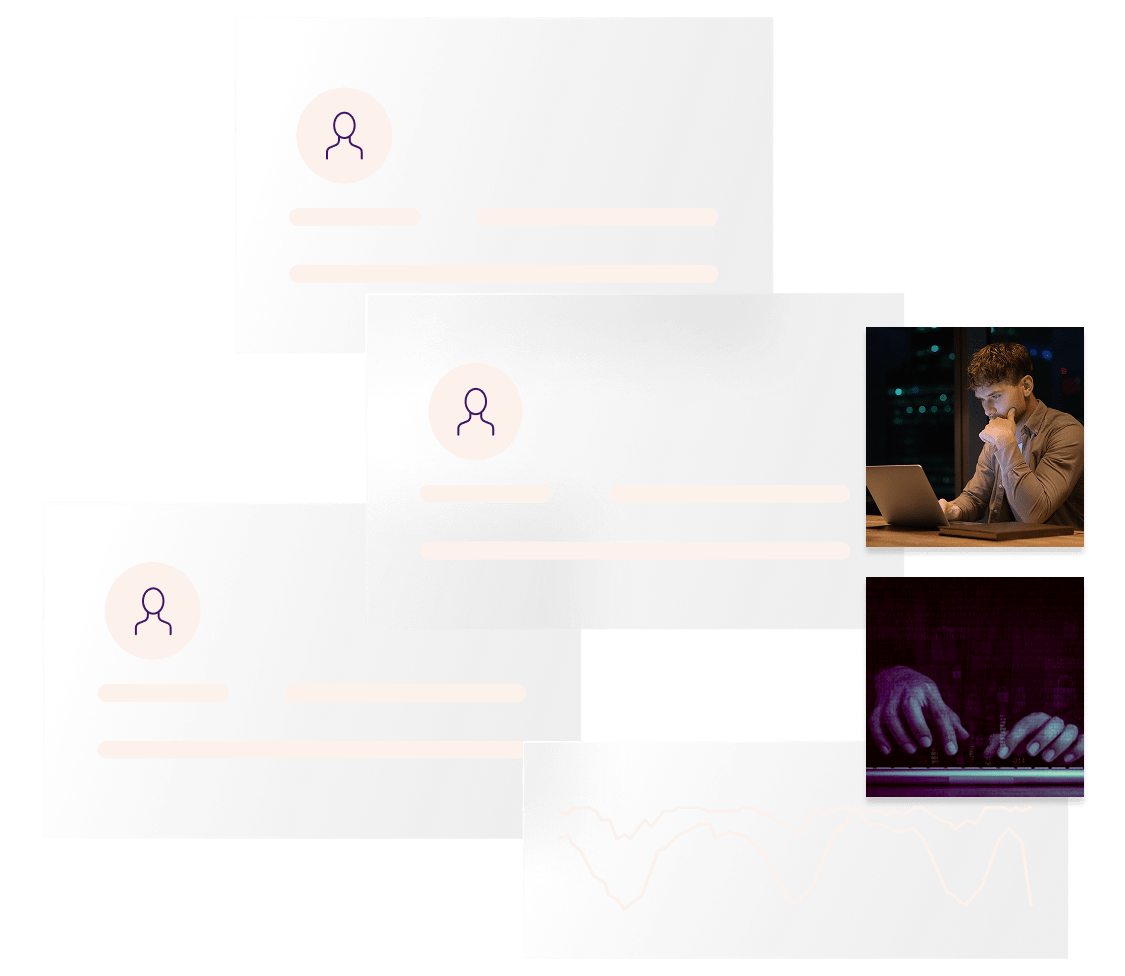
Prevent Compromised Account Fraud
Detect accounts compromised by an account takeover attack and neutralize fraud and abuse—no matter how the account was breached.

Remediate Compromised Accounts
Detect abusive activity that indicates an account has been compromised by a bad actor.

Cut Investigation and Response Time
Automatically respond to abusive behavior with custom actions and get information critical to investigations.

Minimize the Cost of ATO Fraud
Reduce financial losses, customer churn, and negative PR by stopping the theft of funds, PII, and other value stored in customer accounts.

Key Capabilities
Block bots at the account perimeter and remediate risky user behavior within accounts.
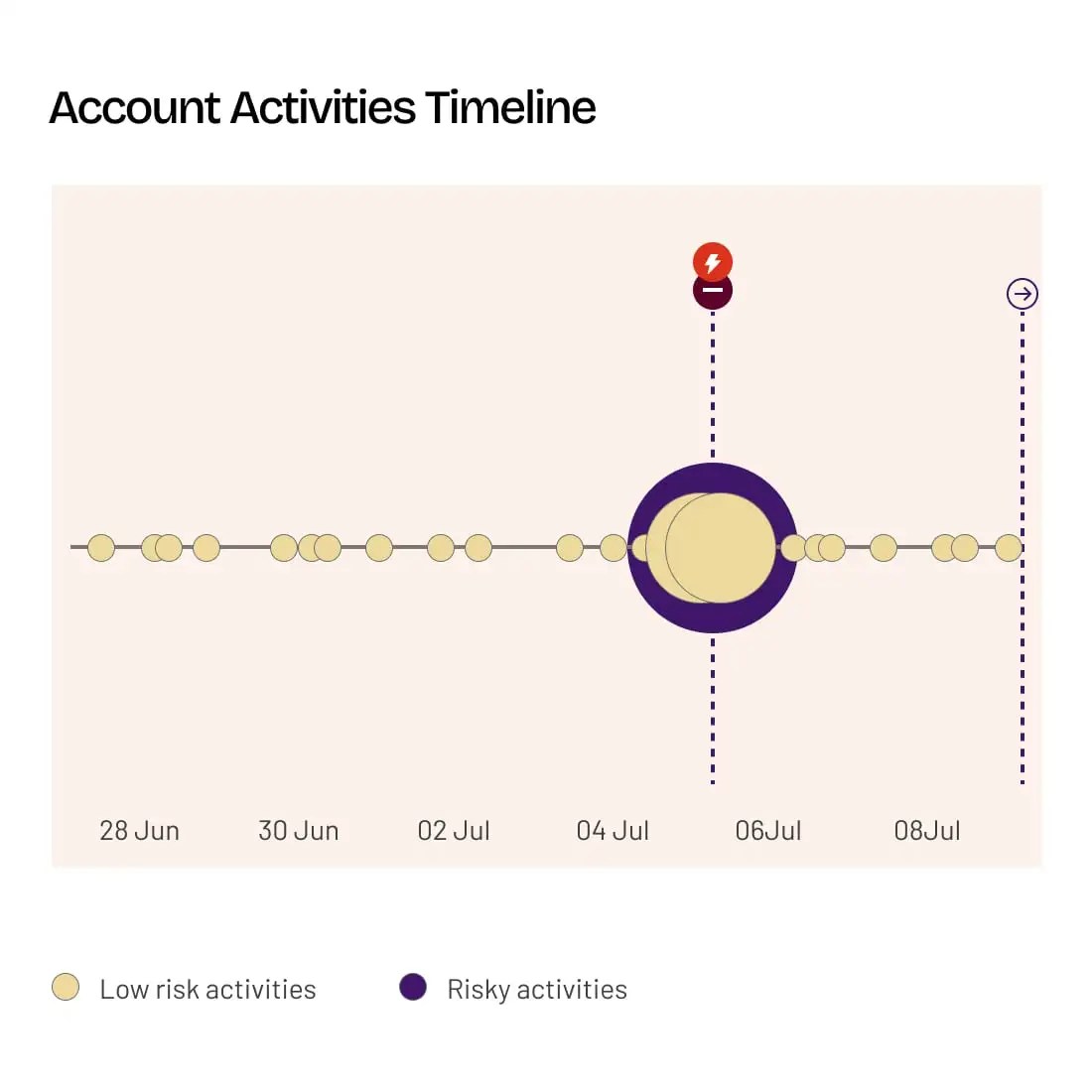
Protection Across Full User Sessions
Catch fraud at every stage by blocking credential stuffing and brute forcing at login, providing deep credential intelligence, and continuously evaluating activities within accounts.
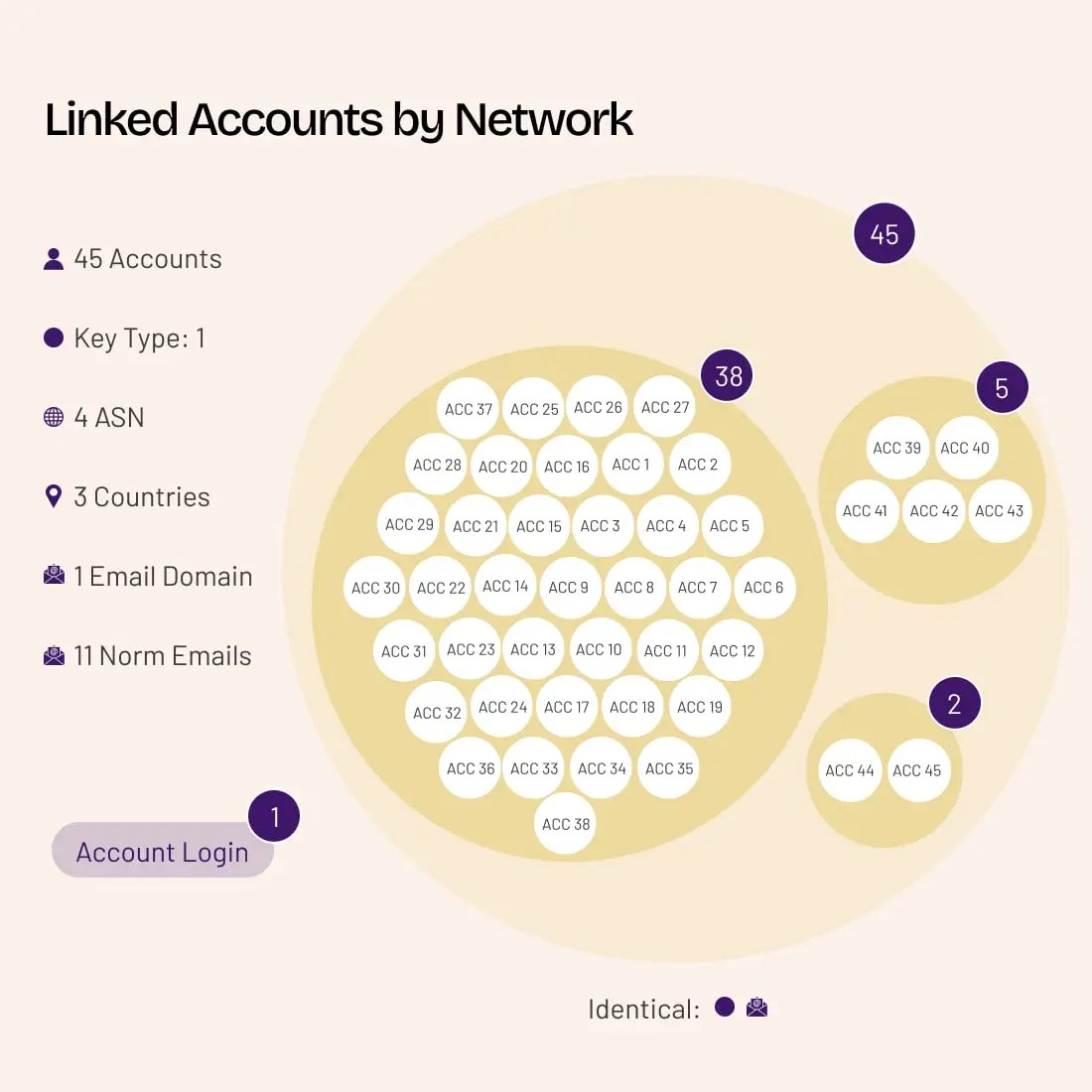
Understand Patterns of Fraud
Identify compromised accounts being used to commit fraud and abuse. Flag, group, and automatically respond to accounts with common identifiers (e.g. email).
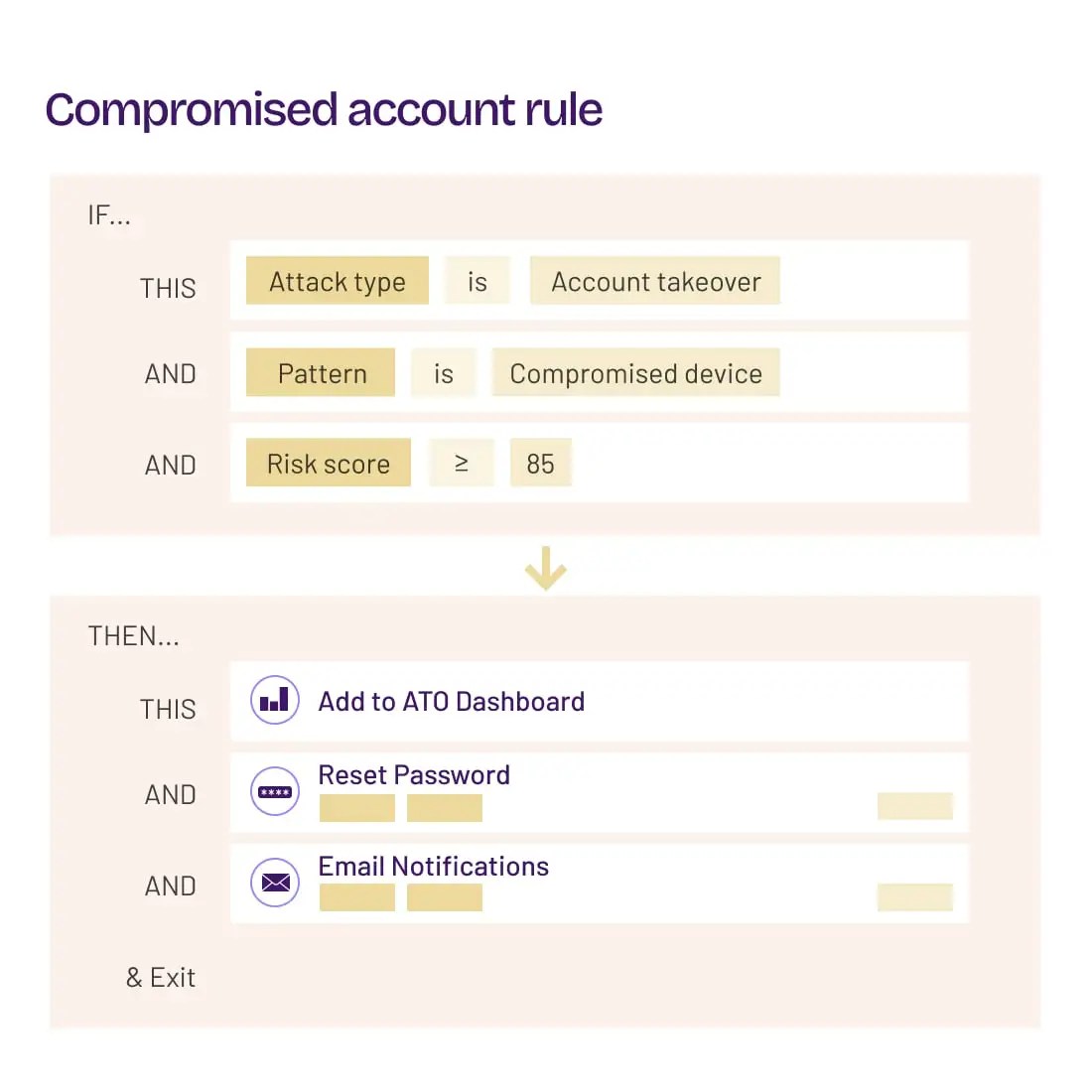
Build Custom Rules and Responses
Create multi-criteria rules and responses that automatically trigger when conditions are met. Actions can be custom built via API to interface with internal systems.

Protecting Customers from Evolving Risks
HUMAN is trusted by global organizations across industries to protect against account takeover attacks and compromised account fraud.

Not only has HUMAN been invaluable at stopping automated bot attacks and helping us improve server performance, but it has also provided significant benefit to my security team, enabling them to spend far less time dealing with malicious bots and instead focus on other business critical areas.
Richard Spencer
CIO, Belk
90% reduction
in server load during attacks
99%+ reduction
in bot attack investigation and response



Data security and privacy are critical concerns for our clients, and HUMAN enables Twelve Thirty to go beyond standard protection to ensure unparalleled security and set us apart as an industry leader.
Brad Fishbain
President, Twelve Thirty
95% reduction
in bot attack impact
99%+ reduction
in bot attacks seen in one CPG campaign



We were impressed with the simplicity of the installation and the dynamic coverage for the latest generation of bot attacks. The product has performed exactly as we expected, accurately screening bots but not impacting real users. We don’t worry about bots on the weekends anymore.
CTO
Shiekh Shoes
99%+ bots blocked
within 24 hours of deployment
Reduced bot traffic
to improve site performance and reduce hosting costs



Threat Intelligence:
The HUMAN Element
The Satori Threat Intelligence and Research Team uncovers, analyzes, and disrupts cyberthreats and fraud schemes that undermine trust across the digital landscape, delivering cutting-edge research that strengthens protection for customers and thwarts bad actors for a safer internet.
Explore Satori


Secure Your Accounts with HUMAN
Protect user accounts from automated and human-led fraud and abuse with HUMAN Sightline.
Learn More


FAQ
What are compromised accounts?
Compromised accounts refer to user accounts that have been accessed by unauthorized individuals, often through stolen credentials, phishing, or malware. Once inside, attackers can steal personal information, make fraudulent transactions, or use the account as a stepping stone for broader attacks. Account takeover incidents not only harm individual users but can also damage a business’s reputation and result in financial loss. Protecting against compromised accounts is essential for maintaining trust and security in any online environment.
What types of fraud and abuse are consequences of compromised accounts?
Common examples include, theft of funds or sensitive personally identifiable information, fraudulent credit applications and sending of phishing emails.
Request a Demo